%2Ffit-in%2F250x250%2Fguide_websites%2F6630%2Fimages%2F781c18_ede7d791edf1184d389b4fbee21d334a.webp&w=1920&q=100)
/users/572a53f3-9f9e-4b6e-b442-bbdd3fa36b64/ratecard/26a31042-7d0c-4922-97cd-ec142d4f8fe8.jpg)
%2F300x300%2Fusers%2F572a53f3-9f9e-4b6e-b442-bbdd3fa36b64%2Fratecard%2F26a31042-7d0c-4922-97cd-ec142d4f8fe8.jpg&w=256&q=75)
%2F300x300%2Fusers%2F572a53f3-9f9e-4b6e-b442-bbdd3fa36b64%2Fimages%2Fbest-catch-vt-2552.jpg&w=256&q=75)
%2F300x300%2Fusers%2F572a53f3-9f9e-4b6e-b442-bbdd3fa36b64%2Fimages%2Ffishing-adventure-vermont-2576.jpg&w=256&q=75)
%2F300x300%2Fusers%2F572a53f3-9f9e-4b6e-b442-bbdd3fa36b64%2Fimages%2Fanglers-lake-trout-isle-la-2692.jpg&w=256&q=75)
%2F300x300%2Fusers%2F572a53f3-9f9e-4b6e-b442-bbdd3fa36b64%2Fimages%2Ffishing-adventure-vermont-2341.jpg&w=256&q=75)
%2F300x300%2Fusers%2F572a53f3-9f9e-4b6e-b442-bbdd3fa36b64%2Fimages%2Fvermont-angler-outdoor-adventure-2601.jpg&w=256&q=75)
%2F300x300%2Fusers%2F572a53f3-9f9e-4b6e-b442-bbdd3fa36b64%2Fimages%2Fvermont-fishing-success-2612.jpg&w=256&q=75)
%2F300x300%2Fusers%2F572a53f3-9f9e-4b6e-b442-bbdd3fa36b64%2Fimages%2Fvermont-northern-pike-catch-2811.jpg&w=256&q=75)
%2F300x300%2Fusers%2F572a53f3-9f9e-4b6e-b442-bbdd3fa36b64%2Fimages%2Flake-trout-isle-la-motte-2596.jpg&w=256&q=75)
%2F300x300%2Fusers%2F572a53f3-9f9e-4b6e-b442-bbdd3fa36b64%2Fimages%2Fnorthern-pike-vermont-fishing-2712.jpg&w=256&q=75)
%2F300x300%2Fusers%2F572a53f3-9f9e-4b6e-b442-bbdd3fa36b64%2Fimages%2Ffishing-isle-la-motte-2661.jpg&w=256&q=75)
Expert-Guided Lake Champlain Fishing Charter
 Lake Champlain
What you will be catching:
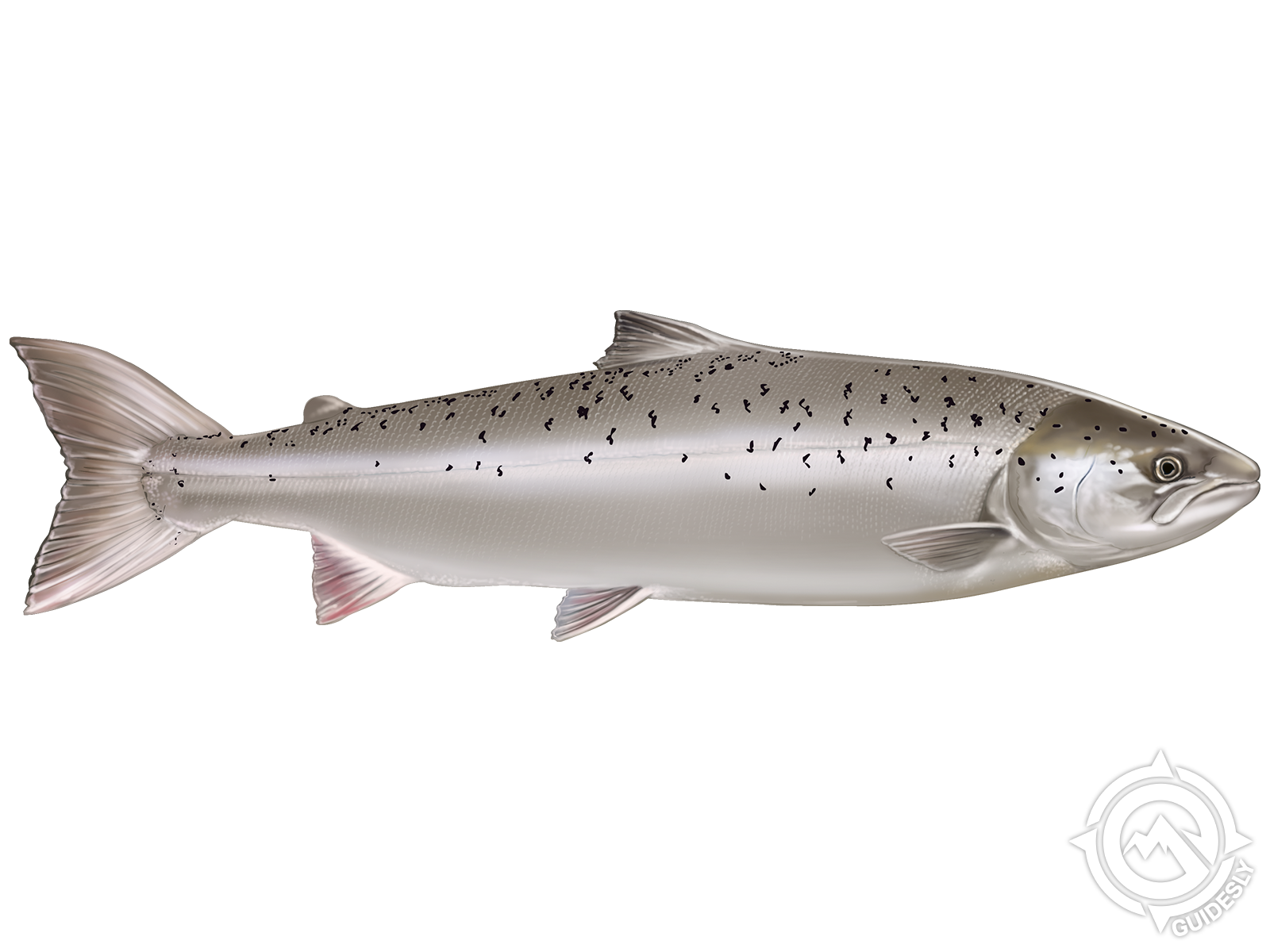 Atlantic Salmon
 Lake Trout
 Northern Pike
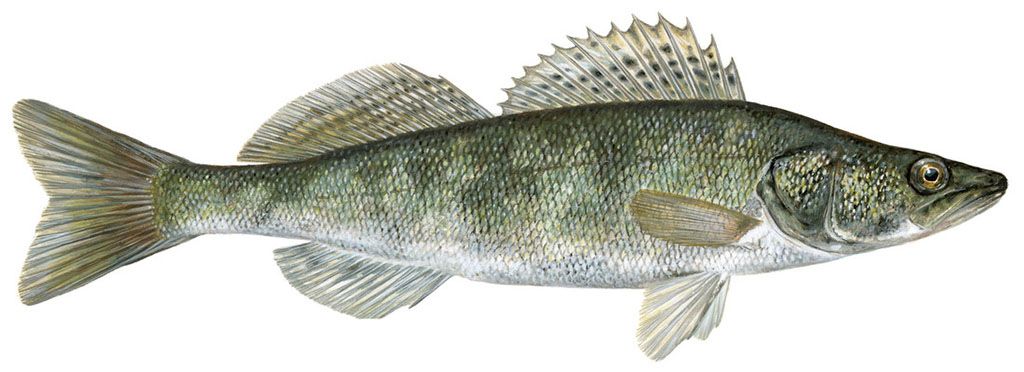 Pike-Perch
 Walleye
- 4-hour Lake Champlain trip targeting four premium fish species
- Expert captain provides personalized guidance for up to three guests
- Trophy fishing opportunities in Northeast's top destination waters
Trip Pricing and Availabilities:
Half Day Lake Champlain Fishing Adventure
Picture this: you're out on Lake Champlain at sunrise, rod in hand, with some of the Northeast's best fishing waters stretching out before you. This isn't your typical pond fishing – we're talking about a massive 120-mile lake that straddles Vermont, New York, and Quebec, packed with game fish that'll give you stories to tell for years. Our 4-hour trips with Lake Champlain Trout Scout Charters put you right in the action, whether you've been fishing these waters for decades or you're just getting your feet wet. The lake's deep, cold waters and diverse structure create perfect conditions for multiple species, and honestly, you never know what's going to hit your line next.
What to Expect on the Water
Lake Champlain is a different beast entirely – we're talking about a lake that's over 400 feet deep in some spots, with underwater ledges, drop-offs, and structure that holds fish year-round. The scenery alone is worth the trip, with the Adirondacks rising up on one side and the Green Mountains on the other, but you're here for the fishing. Our charters accommodate up to 3 anglers, which means you get personalized attention and plenty of elbow room. The boat comes fully equipped with all the gear you need, from downriggers to planer boards, and we know exactly where the fish are holding based on current conditions, water temperature, and seasonal patterns. Don't worry about bringing lunch – this is a half-day trip designed to maximize your time on productive water without the commitment of a full day.
Trolling Tactics & Lake Setup
Lake Champlain fishing is all about covering water efficiently, and that means trolling is king here. We run a spread of lines at different depths using downriggers and copper lines to target fish anywhere from 10 feet down to 80 feet or more, depending on the season and thermocline. The lake's structure is what makes it special – we've got deep main lake basins, shallow bays, rocky points, and underwater humps that concentrate baitfish and predators. In spring and fall, we'll work the shallower areas where fish are more active, while summer fishing often means going deep to find the cold water where trout and salmon hang out. We use everything from spoons and flasher-fly combos to crankbaits and cut bait, adjusting our approach based on what the fish are telling us. The electronics on board help us locate schools of baitfish and mark productive depths, but local knowledge of the lake's nuances is what really puts fish in the boat.
Top Catches This Season
Atlantic Salmon are the crown jewel of Lake Champlain, and these aren't your typical landlocked salmon – they're sea-run fish that have adapted to the lake's unique environment. Most fish we catch run 3 to 8 pounds, but don't let that fool you – these salmon fight like they're twice that size, with acrobatic jumps and blistering runs that'll test your drag settings. Spring and fall are prime time when they're actively feeding in shallower water, but we catch them throughout the season by adjusting our depth and presentation. What makes them special here is their silver brightness and the way they use the lake's current and structure to their advantage during the fight.
Lake Trout are the lake's year-round residents and probably your best bet for consistent action, especially during the warmer months when they school up in the deep, cold water. These fish can get serious – we're talking 15 to 25 pounders that'll give you an arm workout, with the occasional trophy pushing 30 pounds or more. They're not as flashy as salmon, but they make up for it with pure power and determination. Late spring through early fall is peak season when they're actively feeding on smelt and other baitfish in the deeper parts of the lake.
Northern Pike bring the aggression factor to Lake Champlain fishing, especially around the shallow bays and weed beds where they ambush prey. These toothy predators average 24 to 32 inches but can stretch well over 40 inches if you're lucky. Spring is absolutely prime time when they're in the shallows for spawning, but we catch them all season long by working the edges of structure. What gets anglers excited about pike is their explosive strikes and the way they'll absolutely destroy whatever they hit – no gentle takes with these fish.
Walleye fishing on Champlain has really taken off in recent years, with the population stronger than it's been in decades. These fish typically run 2 to 5 pounds with plenty of keeper-sized fish in the 15 to 20 inch range. Evening and early morning are prime time, and they love the lake's rocky structure and drop-offs. What makes walleye special here is their table quality – they're hands down some of the best eating fish in the lake, with firm white meat that's perfect for a shore lunch.
Pike-Perch, which are actually walleye but go by different names depending on where you're from, round out our target species list. They school up in specific areas of the lake and when you find them, you can often catch several before they move on. They're fantastic eating and provide steady action when conditions are right, typically in the deeper water during daylight hours and moving shallower as the sun gets lower.
Time to Book Your Spot
Lake Champlain offers some of the most diverse freshwater fishing in the Northeast, and our half-day trips are designed to give you a taste of what makes this lake legendary among serious anglers. With five different target species and water that changes character from the shallow northern sections to the deep southern basin, every trip is different. The combination of scenic mountain views, clean water, and healthy fish populations makes this a top-rated destination that keeps customers coming back season after season. Whether you're looking to cross Atlantic Salmon off your bucket list or just
Learn more about the species
Atlantic Salmon
Atlantic Salmon are gorgeous fish with silver bodies and forked tails, typically running 28-30 inches and 8-12 pounds. These are anadromous fish that migrate between fresh and saltwater, though populations in Champlain are landlocked. They're closely related to brown trout and prefer cooler waters, often found in deeper sections during warmer months. Spring and fall offer the best fishing when water temps drop and they become more active. What makes them special is their legendary fighting ability - they'll leap clear out of the water multiple times once hooked. The meat is premium table fare with that distinctive orange-pink color. Here's a local tip: try trolling with streamers that mimic smelt, their preferred forage, and work the thermocline where cooler water meets warmer surface layers.
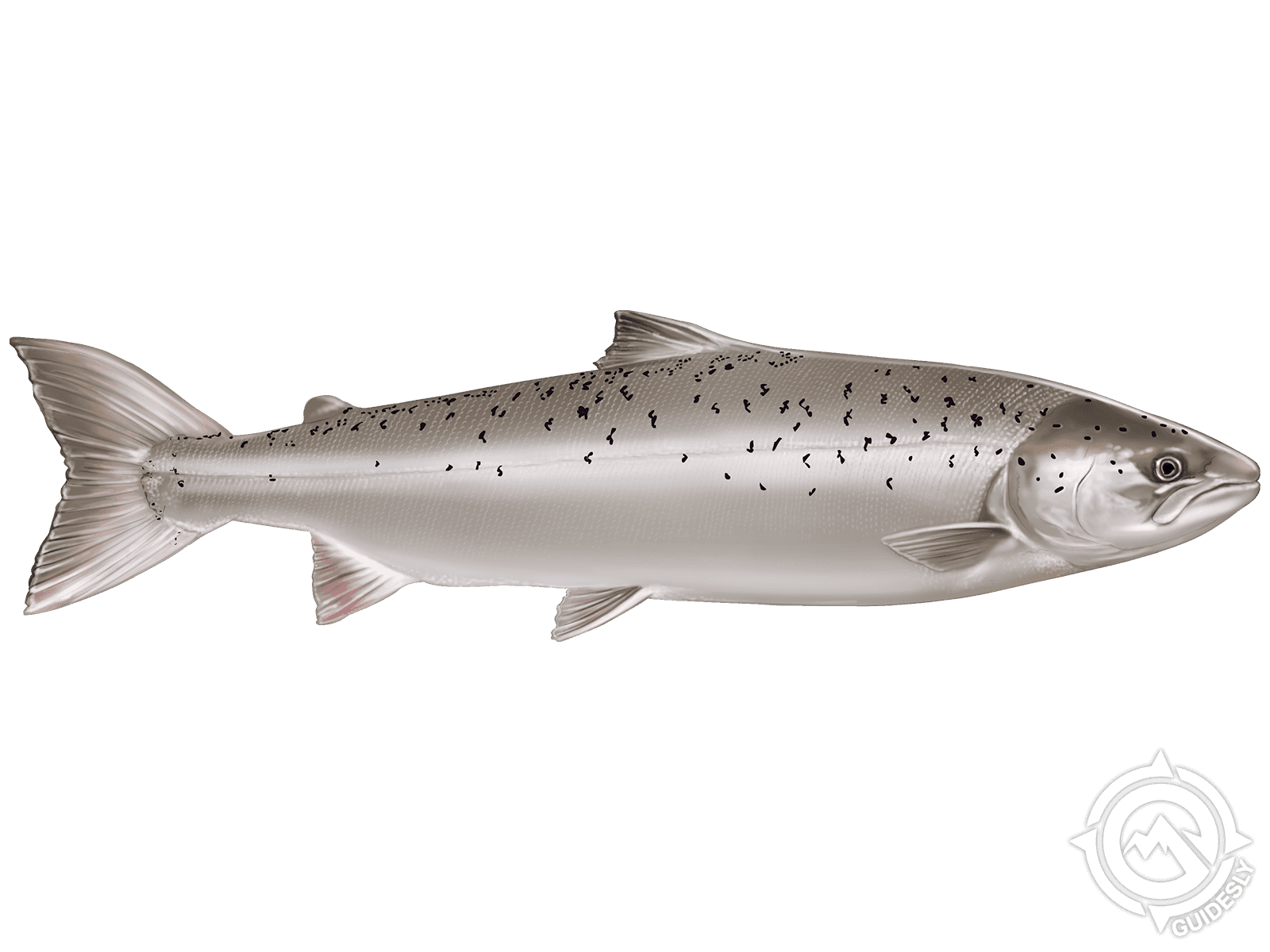
Lake Trout
Lake Trout are the heavyweight champs of the char family, averaging 24-36 inches and 15-40 pounds in good water. These are true cold-water fish that spend most of their time suspended in deep water, often 40-80 feet down in Champlain's main basin. Spring right after ice-out is prime time when they come shallow, but summer fishing means going deep where the water stays cold and oxygenated. They're slow-growing and long-lived, making each one special. The fight is different - more of a heavy, stubborn battle than flashy jumps. The meat is rich and oily, perfect for smoking. Overcast days and low-light conditions are best since they avoid bright sunlight. Here's what works: vertical jigging with spoons or paddle-tail swimbaits near the bottom, and don't be afraid to fish 60+ feet deep in summer.
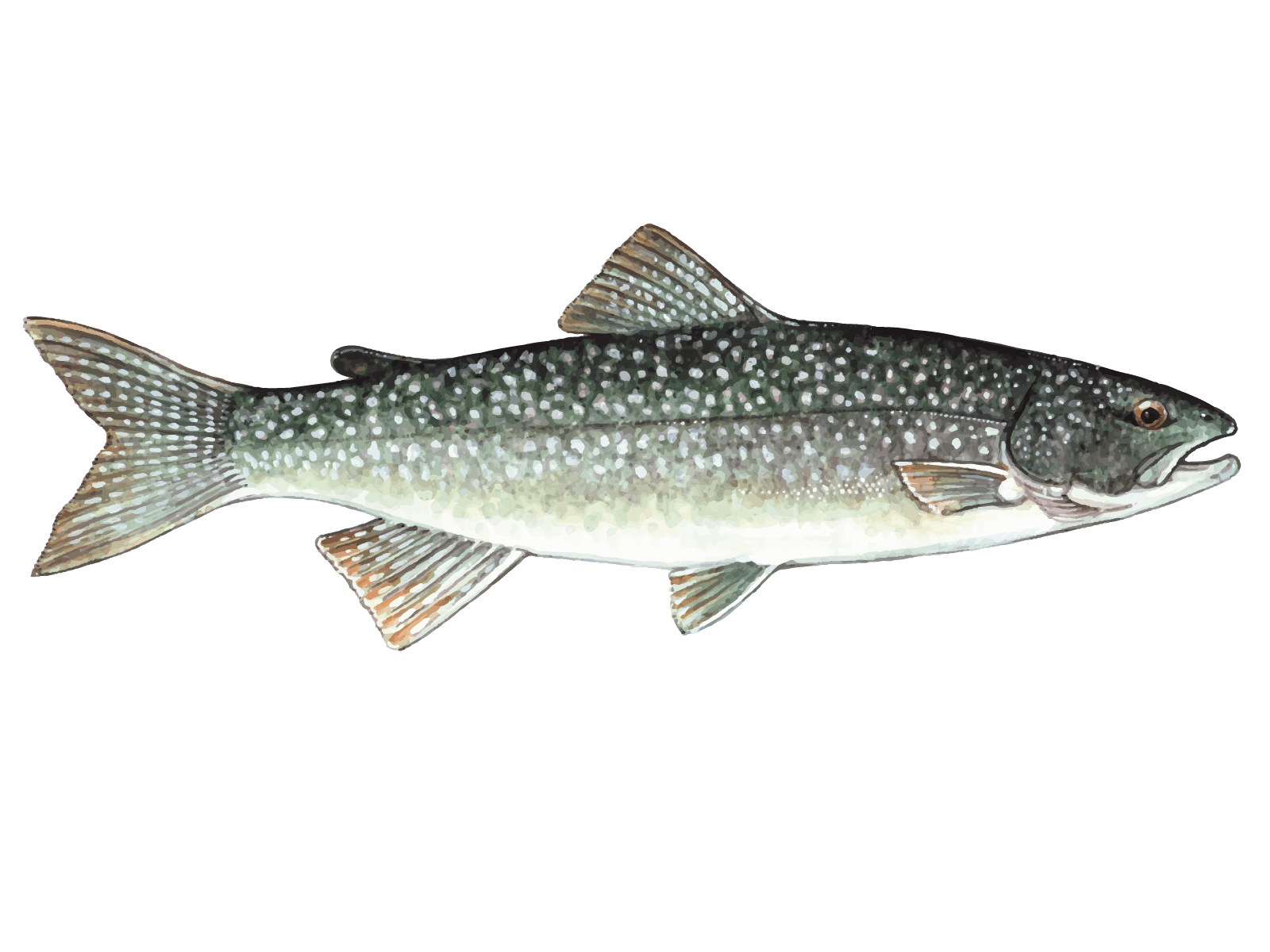
Northern Pike
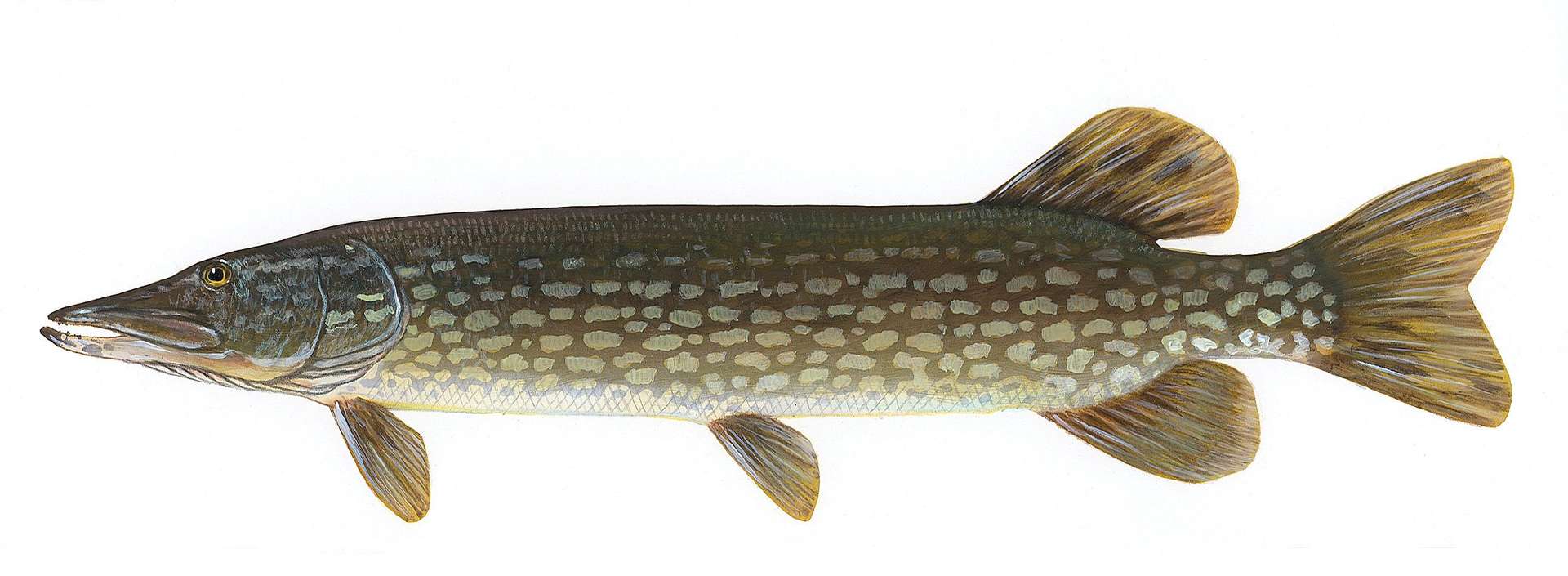
Northern Pike are the freshwater sharks of Champlain - aggressive ambush predators with razor-sharp teeth and an attitude to match. They average around 2 feet and 3-4 pounds, but we see plenty in the 6-8 pound range with some real monsters pushing 15+ pounds. Look for them in shallow, weedy bays and around structure where they can ambush prey. Spring and fall are best when they're active in shallower water, though summer fishing near deeper weed edges produces too. What guests love is the explosive strike and aerial show - these fish fight dirty with powerful runs and jumps. They're not the best eating due to Y-bones, but catch-and-release photography makes for great memories. My trick: use spoons or swimbaits and reel slowly to mimic injured baitfish, then be ready for that bone-jarring strike.
Pike-Perch
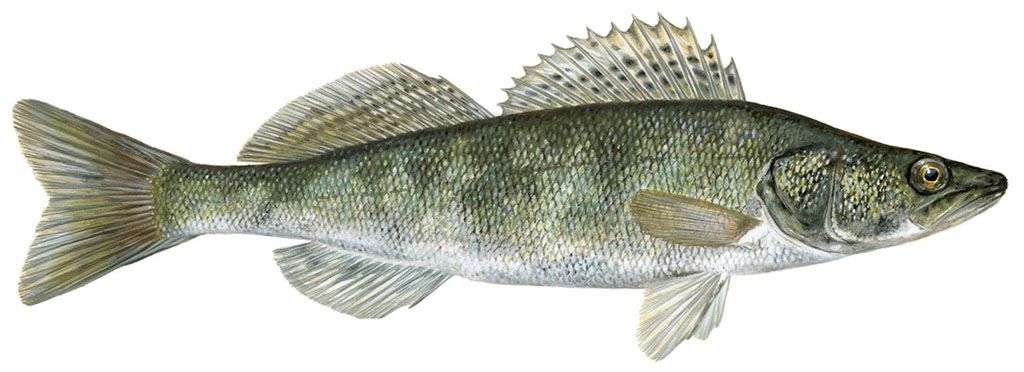
Pike-Perch, also called Zander, are the largest member of the perch family with that distinctive torpedo-shaped body. They typically run 20 inches but can reach nearly 40 inches in good conditions. Unlike walleye, these fish actually prefer murkier water and can handle both fresh and brackish conditions. You'll find them in deeper channels and near structures in Lake Champlain, especially around areas with soft bottoms. They're most active during low-light periods and overcast days. What's interesting is they're primarily dead-bait feeders, making them unique compared to other species we target. The fight is solid and the meat is firm with few bones - popular table fare in Europe. Pro tip: use fresh dead bait like small roach or mackerel on the bottom near drop-offs, and don't make it too lively or you'll spook them.
Walleye
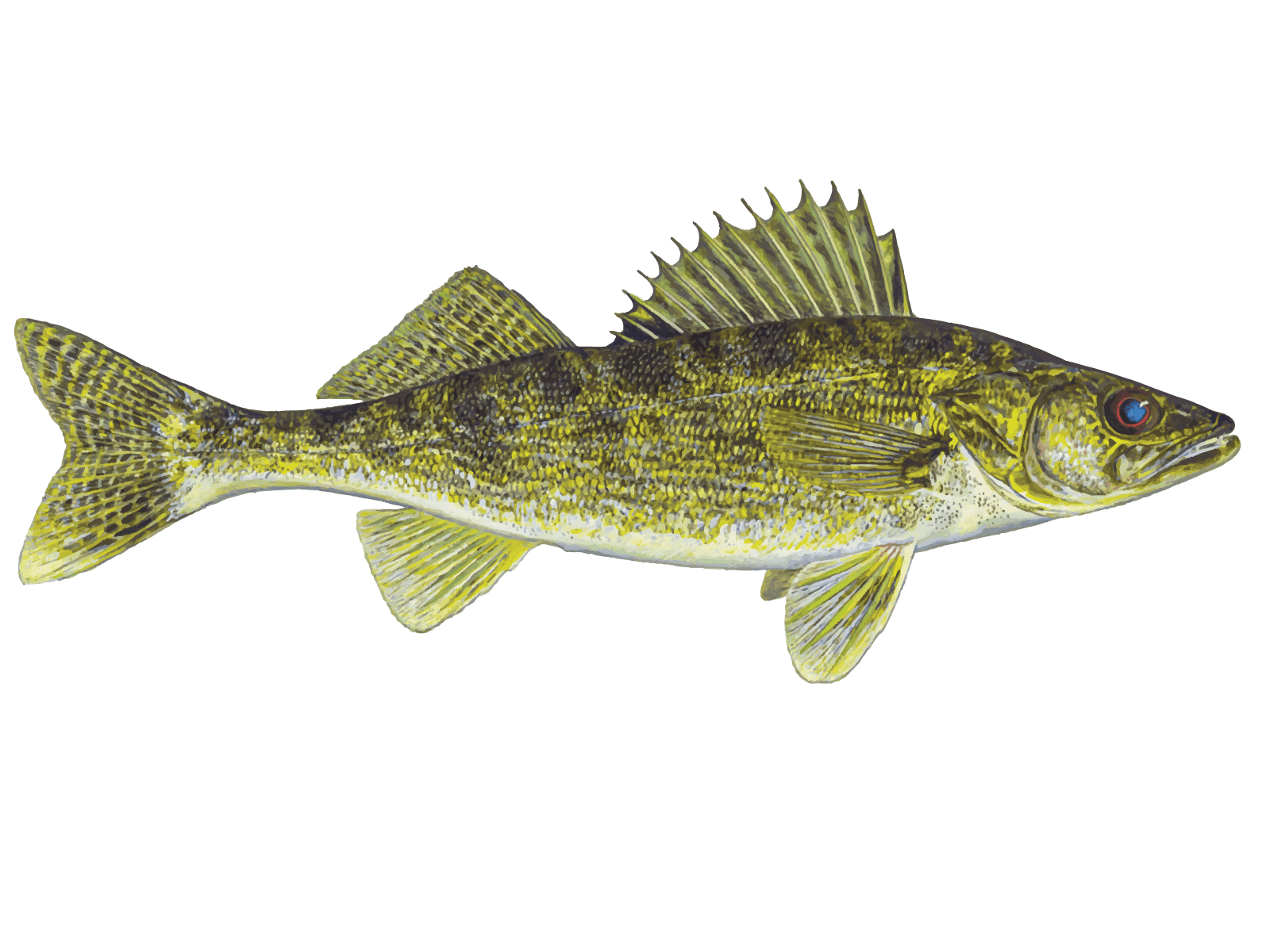
Walleye are built for low-light hunting with those distinctive glassy eyes that give them their name. They average 15-20 inches but can push 30 inches and 20 pounds. During the day, you'll find them hugging structure like rock piles, drop-offs, and deep weed edges in 10-30 feet of water. They come shallow at dawn and dusk to feed, making evening trips productive. Spring after ice-out and fall are prime times when they're most active. Anglers love them because they're steady fighters and absolutely outstanding eating - mild, flaky white meat that's hard to beat. They're particular about presentation though. My go-to technique is slow-trolling live minnows or jigs tipped with crawlers along the bottom near structure. Work methodically and vary depths until you locate schools.
About the Missy Jean
%2F%2Fusers%2F572a53f3-9f9e-4b6e-b442-bbdd3fa36b64%2Fvehicle_picture%2F781c18_f4d322357d3f5ff7c73fcb8c849b3dde.webp&w=1920&q=75)
Vehicle Guest Capacity: 4
Manufacturer Name: Mercury
Maximum Cruising Speed: 30
Number of Engines: 1
Horsepower per Engine: 150