%2Ffit-in%2F250x250%2Fguide_websites%2F6630%2Fimages%2F781c18_ede7d791edf1184d389b4fbee21d334a.webp&w=1920&q=100)
/users/572a53f3-9f9e-4b6e-b442-bbdd3fa36b64/ratecard/486000494_9338992039512387_7565954346214908425_n-mk4vqnt1.jpg)
%2F300x300%2Fusers%2F572a53f3-9f9e-4b6e-b442-bbdd3fa36b64%2Fratecard%2F486000494_9338992039512387_7565954346214908425_n-mk4vqnt1.jpg&w=256&q=75)
%2F300x300%2Fusers%2F572a53f3-9f9e-4b6e-b442-bbdd3fa36b64%2Fimages%2Fbest-catch-vt-2552.jpg&w=256&q=75)
%2F300x300%2Fusers%2F572a53f3-9f9e-4b6e-b442-bbdd3fa36b64%2Fimages%2Ffishing-adventure-vermont-2576.jpg&w=256&q=75)
%2F300x300%2Fusers%2F572a53f3-9f9e-4b6e-b442-bbdd3fa36b64%2Fimages%2Fanglers-lake-trout-isle-la-2692.jpg&w=256&q=75)
%2F300x300%2Fusers%2F572a53f3-9f9e-4b6e-b442-bbdd3fa36b64%2Fimages%2Ffishing-adventure-vermont-2341.jpg&w=256&q=75)
%2F300x300%2Fusers%2F572a53f3-9f9e-4b6e-b442-bbdd3fa36b64%2Fimages%2Fvermont-angler-outdoor-adventure-2601.jpg&w=256&q=75)
%2F300x300%2Fusers%2F572a53f3-9f9e-4b6e-b442-bbdd3fa36b64%2Fimages%2Fvermont-fishing-success-2612.jpg&w=256&q=75)
%2F300x300%2Fusers%2F572a53f3-9f9e-4b6e-b442-bbdd3fa36b64%2Fimages%2Fvermont-northern-pike-catch-2811.jpg&w=256&q=75)
%2F300x300%2Fusers%2F572a53f3-9f9e-4b6e-b442-bbdd3fa36b64%2Fimages%2Flake-trout-isle-la-motte-2596.jpg&w=256&q=75)
%2F300x300%2Fusers%2F572a53f3-9f9e-4b6e-b442-bbdd3fa36b64%2Fimages%2Fnorthern-pike-vermont-fishing-2712.jpg&w=256&q=75)
%2F300x300%2Fusers%2F572a53f3-9f9e-4b6e-b442-bbdd3fa36b64%2Fimages%2Ffishing-isle-la-motte-2661.jpg&w=256&q=75)
Beginner Salmon Trolling Lake Champlain Scout
 Lake Champlain
What you will be catching:
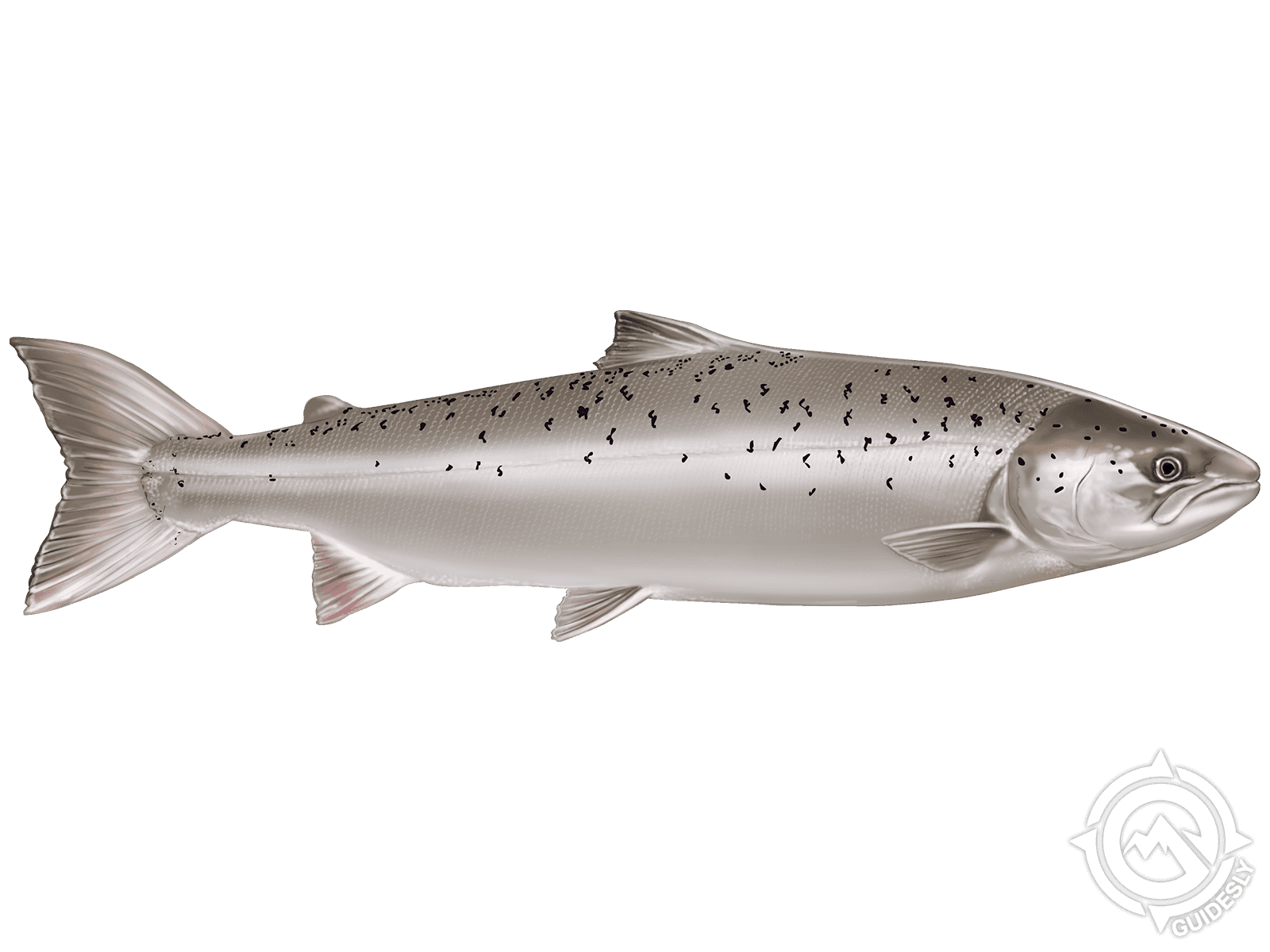
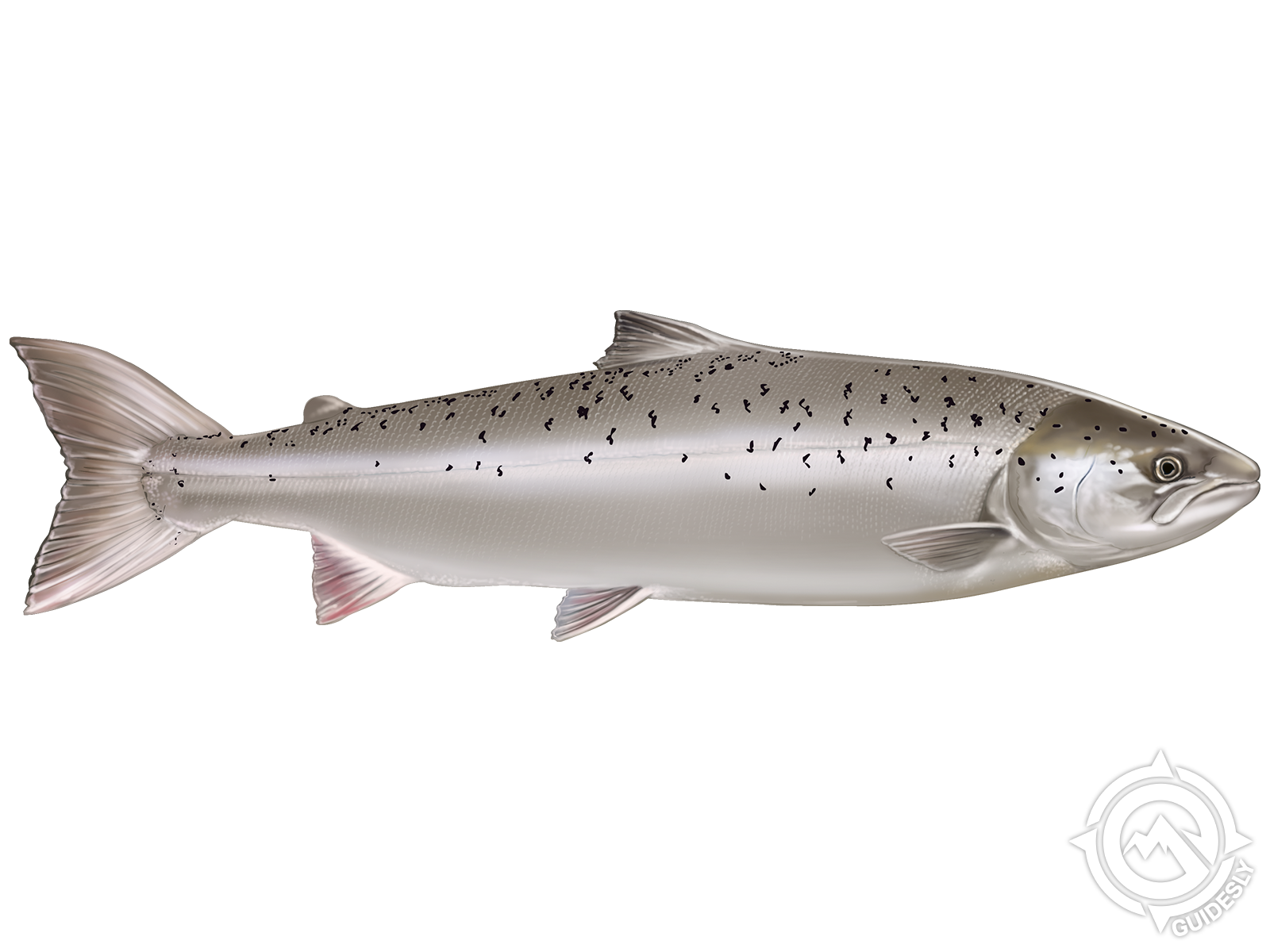 Atlantic Salmon
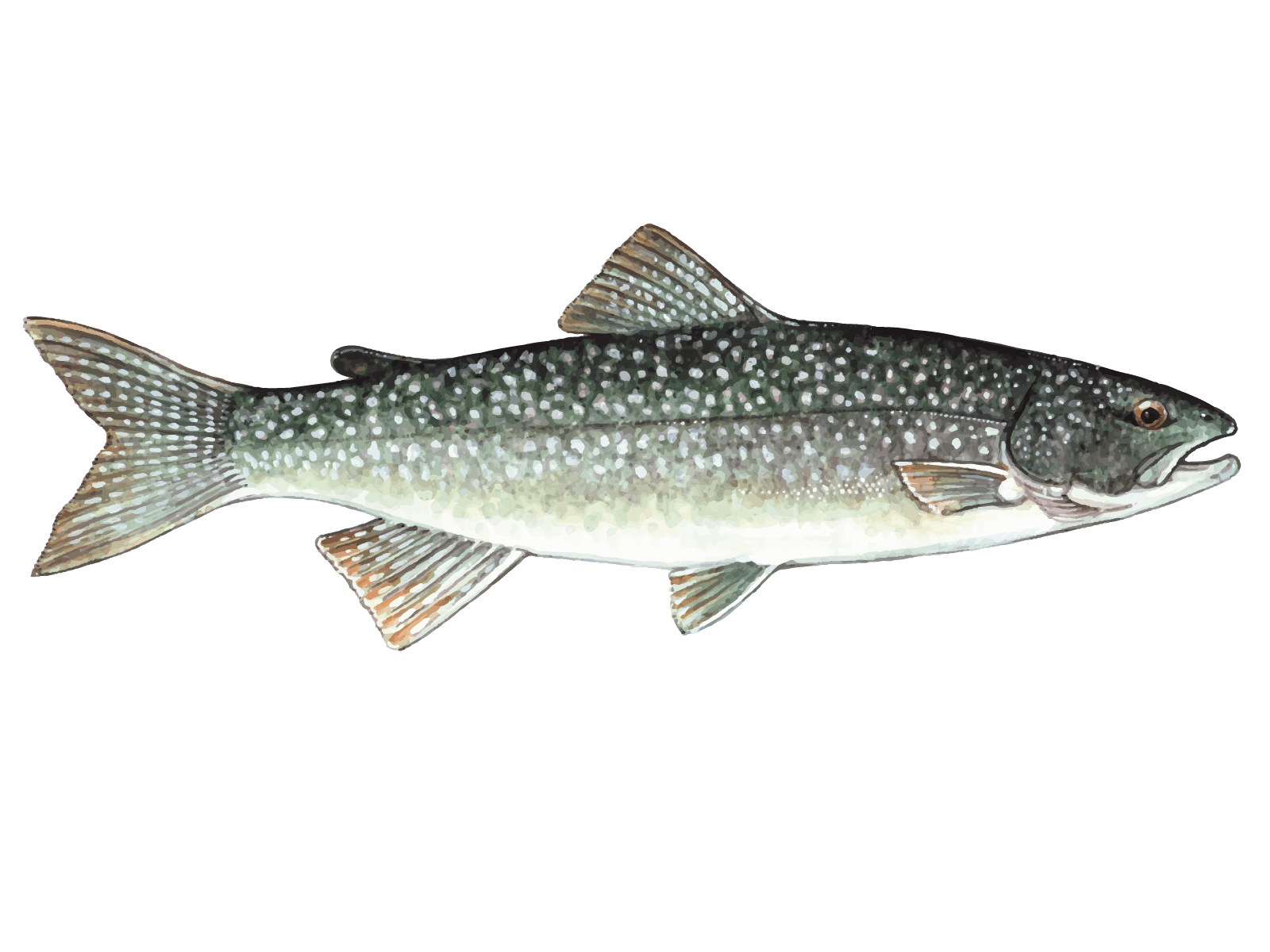
 Lake Trout
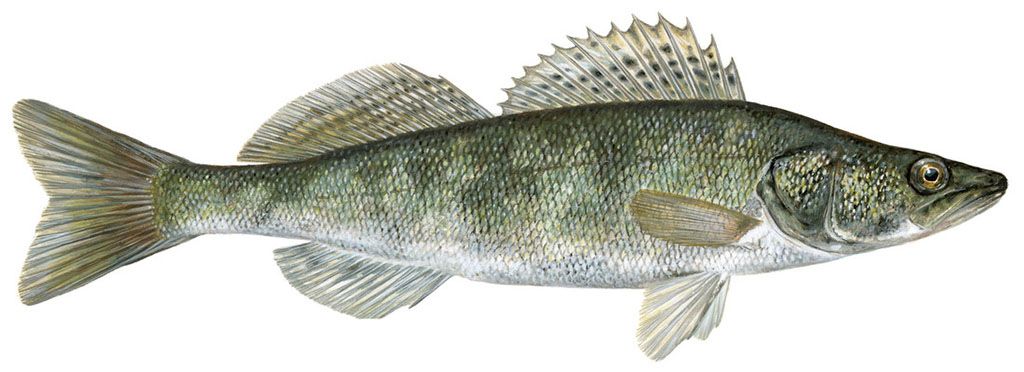 Pike-Perch
- 8-hour guided fishing adventure targeting salmon, trout, and pike-perch
- All equipment, licenses, and expert instruction included for beginners
- Accommodates up to 4 guests on renowned Lake Champlain waters
Trip Pricing and Availabilities:
Full Day Beginner Fishing on Lake Champlain
Looking to get your feet wet in the world of freshwater fishing? Captain Pete's full-day charter on Lake Champlain is exactly what you need. This isn't some rushed tourist trap – we're talking about a genuine 8-hour learning experience where you'll master the art of trolling for some of the Northeast's most sought-after game fish. Whether you've never held a rod or just want to step up your technique, Pete takes the time to make sure everyone leaves feeling confident and excited about their next fishing adventure.
What to Expect on the Water
Your day starts early with a thorough gear check and safety briefing at the marina. Captain Pete knows these waters like the back of his hand – he's been guiding on Lake Champlain for over a decade, and his patient teaching style has turned countless first-timers into regular anglers. The boat is equipped with top-of-the-line trolling gear, fish finders, and all the tackle you'll need to target salmon, trout, and pike-perch. Pete handles all the licensing paperwork, so you can focus on learning. The pace is relaxed but purposeful – there's plenty of time to ask questions, practice your technique, and enjoy the stunning mountain views that make Champlain such a special place to fish. With space for up to 4 guests, this trip works great for families, friend groups, or even solo adventurers looking to join others. Just pack your favorite snacks and drinks, and Pete takes care of the rest.
Trolling Techniques & Gear
Trolling might seem straightforward, but there's real skill involved in reading water temperature, understanding fish behavior, and setting your lines at the right depth. Pete starts by explaining how the fish finder works and what those squiggly lines actually mean. You'll learn to set up downriggers, choose the right lures for different conditions, and understand how boat speed affects your presentation. The beauty of trolling is that it covers water efficiently while giving beginners time to absorb the fundamentals without feeling rushed. Pete demonstrates proper rod handling, how to detect subtle bites, and the best techniques for fighting fish once you're hooked up. The gear is commercial-grade but user-friendly – no intimidating setups that require an engineering degree to operate. By mid-morning, most guests are confidently managing their own lines and making adjustments based on what the fish are telling them.
Top Catches This Season
Atlantic Salmon are the crown jewel of Lake Champlain fishing, and for good reason. These silver rockets can reach 15-20 pounds and fight like nothing else in freshwater. They're most active during the cooler months of spring and fall, when water temperatures drop into their comfort zone. What makes salmon so exciting isn't just their size – it's their acrobatic fights. These fish will jump, run, and test every knot in your tackle box. Pete knows the prime salmon spots along the Vermont and New York shorelines, and he's particularly good at helping beginners stay calm during those heart-pounding first runs.
Lake Trout are the steady workhorses of Champlain fishing, and they're perfect for building confidence. These deep-water dwellers can grow massive – we're talking 20+ pound fish that provide long, bulldogging fights. Lakers prefer the cooler depths, especially during summer months, which makes them ideal targets for downrigger trolling. They're not as flashy as salmon, but there's something deeply satisfying about the steady pull of a big lake trout. Pete often tells guests that landing your first laker is a rite of passage – these fish have been cruising Champlain's depths for decades, and hooking into an old-timer feels like connecting with the lake's history.
Pike-Perch, also known as walleye, might be the most underrated fish in the lake. They're excellent table fare and surprisingly feisty fighters for their size. Most pike-perch in Champlain run 2-5 pounds, making them perfect for beginners who want to experience success without getting overwhelmed. They're also more active during daylight hours compared to their nocturnal reputation in other waters. Pete loves targeting pike-perch because they're reliable biters and give newcomers plenty of action to keep things interesting. Plus, they're absolutely delicious if you decide to keep a few for dinner.
Time to Book Your Spot
This full-day charter represents incredible value for anyone serious about learning to fish Lake Champlain properly. You're getting 8 hours of personalized instruction, all equipment, licensing, and access to some of the best fishing spots on the lake. Pete's reputation for patience and teaching ability makes this trip a customer favorite among beginners, but experienced anglers also appreciate his local knowledge and professional approach. Lake Champlain's fishing seasons are highly weather-dependent, so booking early ensures you get the dates that work best for your schedule. Whether you're planning a family outing, celebrating a special occasion, or just ready to try something new, this charter delivers the kind of authentic fishing experience that keeps people coming back year after year. Don't wait – spots fill up fast during peak season, and you'll want to secure your place on what many consider the best beginner-friendly fishing trip in the Champlain Valley.
Learn more about the species
Atlantic Salmon
Atlantic salmon in Lake Champlain average 28-30 inches and 8-12 pounds, with their sleek, silver bodies built for speed and power. These fish are what many anglers consider the ultimate prize - they leap, run, and fight harder than most anything else you'll hook. We typically find them in deeper, cooler water during summer months, moving shallower in spring and fall when water temps drop. Best fishing happens on overcast days or early morning when they're actively feeding. What makes salmon special is their incredible stamina once hooked - expect multiple jumps and long runs that'll test your drag. The meat is top-notch too, with that rich, pink flesh that's perfect for the grill. My tip: when trolling, vary your speed every few minutes - salmon often hit right after a speed change triggers their predator instincts.
Lake Trout
Lake trout are the heavyweights of Champlain's cold waters, commonly running 15-40 pounds and stretching 24-36 inches. These char prefer the lake's deepest, coldest zones where oxygen levels stay high - we're talking 60+ feet down during summer heat. Spring and fall offer the best action when they move shallower as water temps drop. Lakers are serious fighters with incredible strength that'll make your arms burn, plus they're fantastic eating with rich, flaky meat. What makes them special is their size potential - you never know when a true monster might grab your lure. They avoid bright light, so overcast days or low-light periods produce best. The key trick is jigging right off bottom with spoons or soft plastics - drop down, lift up a few feet, then let it fall back. That flutter on the drop is when most strikes happen.
Pike-Perch
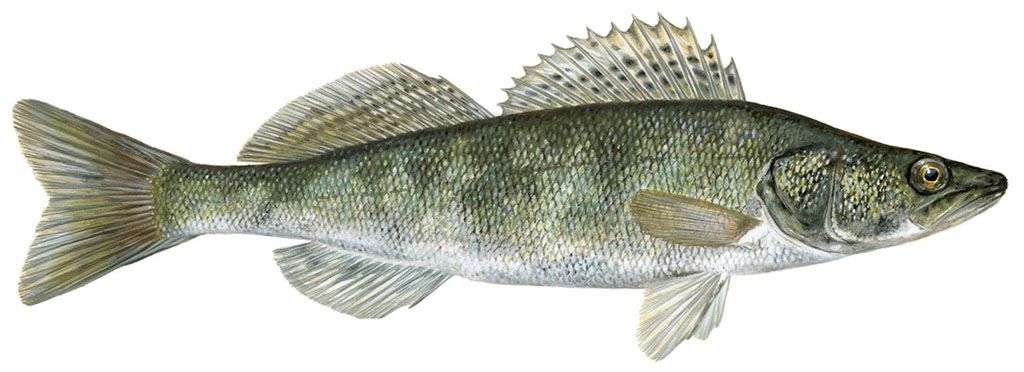
Pike-perch, also called zander, are the largest members of the perch family and can reach 20+ inches in Champlain's waters. These torpedo-shaped fish have olive-green backs with dark vertical bars and prefer the lake's deeper, murkier areas where they ambush schools of baitfish. They're most active during low-light conditions - dawn, dusk, and overcast days are prime time. What guests love about pike-perch is their solid fight and excellent eating quality - firm, white meat with few bones that's hard to beat on the dinner table. They're also a bit different from typical lake fish, which adds some variety to your day. These fish have powerful jaws and aren't shy about hitting lures hard. Pro tip: dead bait or slow-moving lures work best since pike-perch prefer easy meals over chasing fast-moving targets.
About the Missy Jean
%2F%2Fusers%2F572a53f3-9f9e-4b6e-b442-bbdd3fa36b64%2Fvehicle_picture%2F781c18_f4d322357d3f5ff7c73fcb8c849b3dde.webp&w=1920&q=75)
Vehicle Guest Capacity: 4
Manufacturer Name: Mercury
Maximum Cruising Speed: 30
Number of Engines: 1
Horsepower per Engine: 150